
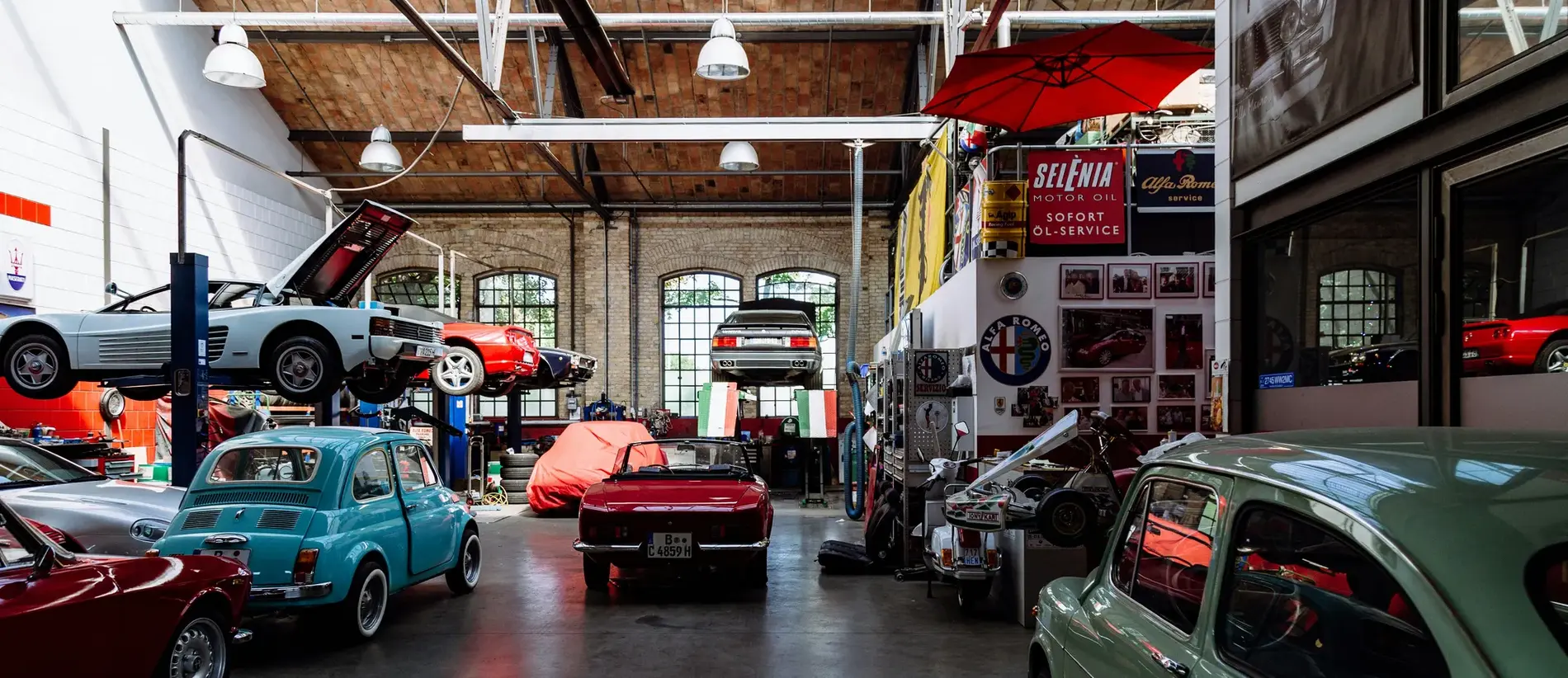
For many motor enthusiasts, car collections extend far beyond the vehicles themselves.
Reflecting a passion for classic and unique cars, vehicles are often supplemented by memorabilia, artefacts, and collectibles.
But as collections grow and spread into increasingly diverse categories, risk mitigation and insurance solutions must keep pace. Protecting these possessions is an important aspect of collection management, helping motor enthusiasts safeguard the items they have gradually amassed over the years.
The changing nature of collections
For car enthusiasts, collections may have initially began as several souvenirs or mementos displayed within garages. Instead of a deliberate, targeted approach, collections tend to steadily develop over time to eventually be comprised of dozens of unique artefacts and antiques.
Some enthusiasts may not necessarily consider themselves collectors or realise the extent of their collections. It is therefore important to take stock of all accumulated possessions, as their combined value can be substantial.
For example, within racing memorabilia, Charles Leclerc’s helmet for the Monaco Grand Prix sold for a record £262,700 (opens a new window) in 2023. The 'Charles Leclerc for Emilia-Romagna' charity auction, also saw Leclerc sell his Ferrari driver's race suit (£52,500), boots (£17,500), and gloves (£36,100).
But it isn’t only racing memorabilia attracting significant auction interest, the luxury watch market is also moving from strength to strength. In 2026, following a lengthy bidding war, a Cartier Cheich watch set a new world record (opens a new window) when it sold for $3.4 million during a Sotheby’s auction in Hong Kong.
Beyond watches, Knight Frank's 2026 research (opens a new window) explored how luxury collecting is evolving into progressively more specialist categories. As collectors seek niche assets, alternative, eclectic categories like vintage fashion/haute couture are increasingly complementing classic car and watch collections.
How can collectors keep their possessions safe?
Significant collections require a comprehensive approach to security and risk management. To help keep possessions secure, collectors should consider the following:
Securitising all locations As valuable items may be stored in either the home, secondary residence, detached garages and barns, outbuildings, or external storage facilities, the location and its security measures will vary. Physical security is crucial, and to improve it, collectors can consider safes, alarm systems, and, where relevant, CCTV and monitored security.
Preventing fire and water damage Most collections would suffer catastrophic destruction from contact with water or fire. Water exposure, via plumbing leaks, burst pipes, or rooftop failure during rainfall, can trigger mould growth or rust. While fire damage may emanate from faulty electrical wiring or damaged, unattended appliances. Regular maintenance of storage locations is critical for mitigating these risks.
Maintaining a controlled environment For luxury items, exposure to environmental factors, such as heat, UV light, humidity, and dust, can cause severe, irreversible damage. It is essential that all possessions are stored in controlled environments that limit contact with such conditions. Storage should be in spaces that are reliably cool, dark, and dry.
Improving your insurance coverage
Where an item is kept will influence both the risk profile and how it can be insured. Often, the issue is not a lack of insurance, but that the existing cover has not kept pace with what the collector has accumulated and the changing value of their collection.
Most collections will contain pieces that are rare or unique and would be particularly difficult to replace. Furthermore, some items may have significant provenance value, which isn’t always reflected in market value. Therefore, the correct insurance coverage becomes imperative.
While many motor enthusiasts closely track the value of their vehicles, they may have paid less attention to inventorying and evaluating the other assets they have gained over time. Watches, artwork, jewellery, and rare collectibles can appreciate significantly over multiple years. For some items that were inherited, professional valuations may have never been sought. To gain cover, supporting documentation, such as receipts, photographs, and provenance records, is vital.
It is also important that items kept away from the main residence are clearly disclosed. Collectors may assume that because something is in their home or garage, it is automatically protected under contents cover. However, in reality, standard policies can often have single article limits for jewellery, artwork, and other valuable possessions.
Ensuring insurance reflects the collection: the role of the broker
For brokers, the most effective approach is to consider the broader picture, not focussing on just the value of the car, but instead asking: “what does the client’s overall world look like?”
Taking a holistic view of a property and all of its contents is an important step in helping secure the right cover. Rather than only considering the main residence, garages, outbuildings, and storage arrangements should all be assessed to understand how these spaces influence the overall risk profile.
As collections and valuable possessions can evolve significantly over time, regular reviews with a broker are essential. Periodical evaluations help ensure material additions or changes are reflected in insurance programmes, cover is keeping pace with the value and nature of assets, and potential gaps in protection are identified before a claim arises.
For more information, reach out to a member of our team.
Further insights are available via our Private Clients (opens a new window) page.